Map the Voices That Remember

Today we explore Community-Sourced Cultural Heritage Story Maps with Curated Layers, bringing together neighbors, elders, and travelers to place memories, artifacts, and songs onto living maps. Through careful curation, each layer reveals relationships across time, language, and landscape, inviting you to contribute, learn, and help steward shared histories with care.

An Invitation to Co‑Create Memory on the Map
Why Stories Belong on Maps

A map braids narrative and geography so memory can be revisited, compared, and expanded without erasing nuance. When a grandmother’s lullaby sits beside a market stall’s scent or a vanished shoreline, relationships become visible, prompting questions, empathy, and new contributions that continually deepen the collective record.

Listening Before Mapping

Before coordinates are added, listening builds trust and accuracy. Community hosts convene circles, tea tables, or walking interviews, asking consented questions about place, lineage, and meaning. Notes capture uncertainty and emotion, so later geocoding and metadata choices reflect intent, sensitivity, and the storyteller’s preferred wording and visibility.

From Anecdote to Geospatial Narrative

A single anecdote becomes a geospatial narrative through light editing, contextual photographs, referenced dates, and links to related sites. Curated layers then situate it among similar materials, revealing patterns like seasonal movement, festival routes, or trade paths while preserving each voice’s distinct cadence and cultural protocols.

Gathering Contributions That Travel Across Generations

Friendly submission tools meet people where they are—on phones at kitchen tables, in community centers, or beside riverbanks. Clear prompts invite images, audio, text, and locations, while optional fields capture pronunciation, language, and privacy levels. Contributors can return later to edit, translate, revoke, or enrich their entries.

Frictionless Submission Journeys

Short, localized forms reduce fatigue while preserving essential context like dates, place names, kinship terms, and sensory details. Auto-suggestions help with spellings, yet never overwrite dialect. Progress saves offline, then syncs securely, ensuring rural voices and traveling families can participate without losing edits, annotations, or consent preferences.

Trust Through Transparent Moderation

Contributors see where each entry is in review, who is checking facts, and what criteria guide decisions. Clear timelines, respectful feedback, and open changelogs convert opaque gatekeeping into collaborative stewardship, reducing suspicion and encouraging repeat participation that strengthens accuracy, richness, and intergenerational dialogue over time.

Multilingual and Multimodal Voices

People speak through songs, carvings, recipes, and road names as much as through paragraphs. The platform embraces transcription, translation, and parallel texts, letting readers toggle between languages, orthographies, and scripts. Audio hotspots, alt text, and sign-language clips ensure contributions remain accessible without collapsing cultural specificity.

Curated Layers That Make Meaning Visible

Layers are not piles; they are conversations arranged with care. Curators group materials by lineage, season, craft, displacement, or ecological change, then interlink them through tags, timelines, and paths. The result lets visitors explore deeply without losing orientation, context, or the contributor’s intended boundaries.

Tools, Pipelines, and Sustainable Infrastructure
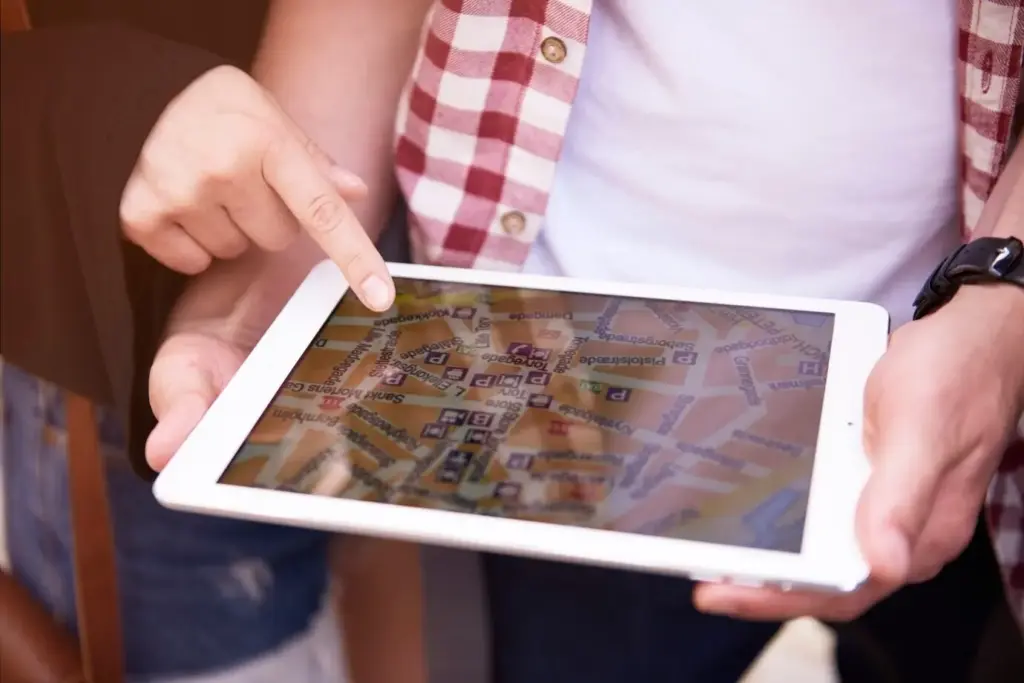
Under the hood, open standards keep the work portable and future‑proof. Submissions flow into structured stores, generate vector tiles, and render through accessible web components. Backups, exports, and versioning remain easy, so communities can migrate, fork, or pause without losing authorship, credits, or narrative integrity.

Consent That Continues After Publishing

Consent is a relationship, not a checkbox. People can adjust names, blur faces, downgrade precision, or request removal later, and those changes cascade to tiles and exports. Clear contact channels and steward liaisons keep the door open for questions, corrections, and evolving comfort levels.

Sovereignty, Attribution, and Shared Guardianship

When knowledge is stewarded collectively, guardianship is named. Citations foreground source communities, facilitators, and translators, while use policies guide researchers and developers. Revenue from exhibitions or funded collaborations cycles back through agreed mechanisms, acknowledging labor and ensuring the mapping practice remains a living, cared-for inheritance.

Healing-Centered Practices for Sensitive Histories

Some stories carry grief, danger, or unfinished justice. Facilitators prepare grounding rituals, referral pathways, and clear opt-outs. Content warnings, layered visibility, and paced publication rhythms prevent overwhelm, while partnerships with counselors and cultural leaders ensure care extends beyond the map into real relationships and support.

Participation, Learning, and Lasting Engagement

Momentum grows when people see themselves reflected and invited back. Regular map salons, walking tours, and creative prompts spark contributions, while newsletters and social channels share highlights. Educators, youth groups, and elders co-lead activities, turning one-time uploads into ongoing conversations, friendships, and locally rooted stewardship.

Programs That Welcome First-Time Mappers

Hands-on workshops pair curious neighbors with patient mentors. Participants learn to record audio, scan photographs, and place pins responsibly, then leave with a small published story and confidence to continue. Follow-up office hours and recognition boards celebrate progress and gently re-invite contributions throughout the year.

Educators as Amplifiers

Teachers weave the mapping into curricula across history, language, art, and science, assigning interviews with relatives and field observations. Classroom accounts manage consent and collaboration, while rubrics value care, citation, and clarity. Students graduate as ambassadors who keep adding, translating, and guiding neighbors through the platform.
Tepilixaxupazifokaze
Privacy Overview

This website uses cookies so that we can provide you with the best user experience possible. Cookie information is stored in your browser and performs functions such as recognising you when you return to our website and helping our team to understand which sections of the website you find most interesting and useful.